

Circadian Rhythms Explained: Why Timing Matters for Health – EP 28 w/ Dr. Erik Herzog
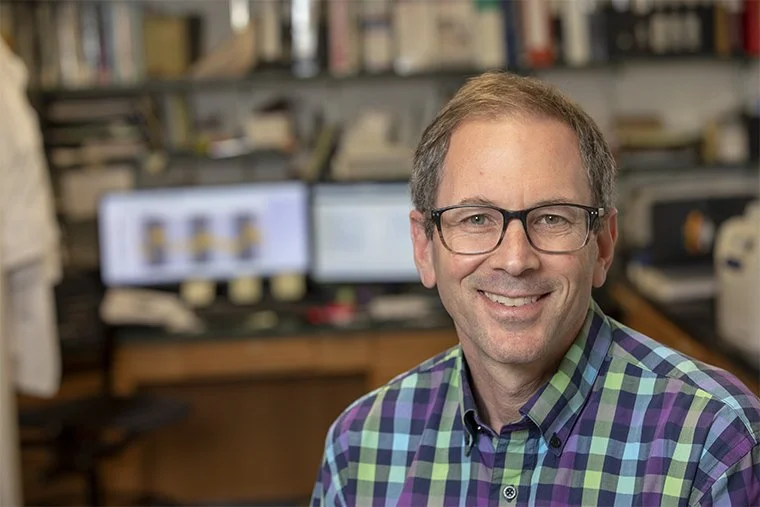
Erik Herzog, PhD, is a Professor of Biology at Washington University in St. Louis and the principal investigator of the Herzog Lab. His research focuses on the brain’s circadian circuits and how biological clocks regulate behavior, brain function, and disease. Dr. Herzog is also involved with the Hope Center’s Clocks & Sleep Club, where researchers examine how disruptions to circadian rhythms are linked to conditions such as cancer, neurodegenerative disease, and cognitive decline. His work bridges basic neuroscience and real-world health applications, with the goal of understanding how timing in the body influences long-term well-being.
In this episode, Ryan speaks with Dr. Erik Herzog, a leading circadian biologist at Washington University in St. Louis. The conversation explores how the brain keeps time, what circadian rhythms actually are, and why daily timing matters for sleep, learning, and health. Dr. Herzog explains why teenagers naturally want to stay up later, how screens and melatonin affect developing sleep systems, and what research reveals about circadian disruption and diseases like cancer and Alzheimer’s. They also discuss cutting-edge work on brain tumors and synthetic gene circuits that align with circadian time, offering a glimpse into the future of sleep-aware medicine. This episode is a deep but accessible look at why when things happen in the body can be just as important as what happens.