Is Doomscrolling Ruining Your Sleep? How Social Media Keeps You Awake
The Midnight Scroll Habit
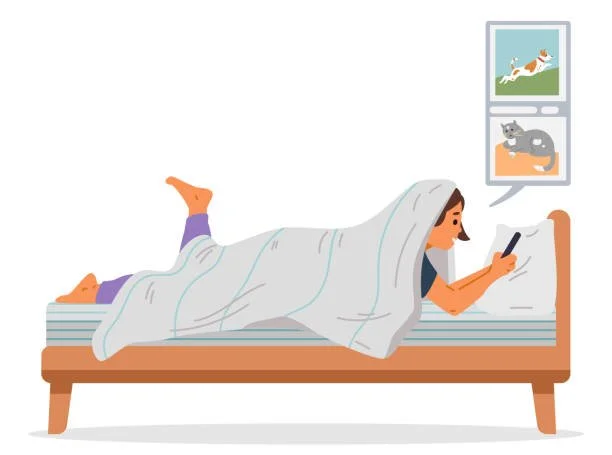
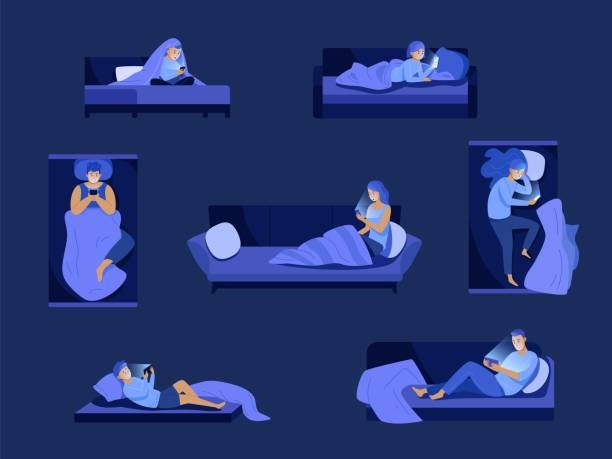
Many people have experienced the same pattern: lying in bed intending to sleep, but instead scrolling through social media for minutes that turn into hours. This behavior—often called “doomscrolling”—can significantly delay sleep and make it harder to fall asleep even after the phone is put down.
Doomscrolling occurs because social media platforms are designed to maximize engagement. Algorithms constantly present new content, triggering the brain’s reward systems and making it difficult to stop scrolling (Alter, 2017).
Dopamine and the Reward Loop
The brain releases dopamine when we encounter new, interesting, or emotionally stimulating information. Social media feeds deliver a constant stream of novelty—videos, headlines, messages, and images—which repeatedly activates this reward system (Montag et al., 2021).
This neurological feedback loop can create a cycle similar to other forms of behavioral addiction. The brain anticipates the possibility of something interesting appearing on the next swipe, which makes stopping feel difficult even when the person knows they should go to sleep.
Blue Light and Circadian Disruption
In addition to psychological effects, smartphone use exposes the eyes to blue light emitted by screens. Blue light suppresses melatonin, the hormone that signals the body it is time to sleep (Chang et al., 2015).
When melatonin production is delayed, the circadian clock shifts later, making it harder to fall asleep and wake up at consistent times. This effect is particularly strong for teenagers and young adults, whose circadian rhythms already tend to run later.
Emotional Arousal and Cognitive Activation
Many forms of social media content provoke emotional reactions—excitement, anxiety, anger, or curiosity. These emotional responses activate the sympathetic nervous system, which prepares the body for alertness rather than rest.
As a result, even if someone stops scrolling and turns off their phone, the brain may remain mentally stimulated. This cognitive activation can lead to prolonged sleep latency, meaning it takes longer to fall asleep (Scott et al., 2019).
Reclaiming Your Night
Breaking the doomscrolling cycle often requires small environmental changes. Moving the phone away from the bed, setting app limits, or establishing a technology-free wind-down routine can help the brain transition into sleep mode.
While social media can be entertaining and informative, protecting sleep requires boundaries. Sleep is one of the brain’s most essential processes for emotional regulation, learning, and mental health.
References
Alter, A. (2017). Irresistible: The rise of addictive technology and the business of keeping us hooked. Penguin Press.
Chang, A. M., Aeschbach, D., Duffy, J., & Czeisler, C. (2015). Evening use of light-emitting devices affects sleep. Proceedings of the National Academy of Sciences, 112(4), 1232–1237.
Montag, C., Yang, H., & Elhai, J. (2021). On the psychology of TikTok use. Addictive Behaviors Reports, 13, 100321.
Scott, H., Biello, S., & Woods, H. (2019). Social media use and adolescent sleep patterns. Journal of Adolescence, 75, 56–64.